East Africa Unveils $95B Regional Budget, Kenya, Uganda Lead in Spending
East African countries have unveiled a combined budget of nearly $95 billion for the 2025/2026 fiscal year, with Kenya and Uganda tabling the region’s biggest spending plans as governments prioritise infrastructure, economic growth, and fiscal consolidation.
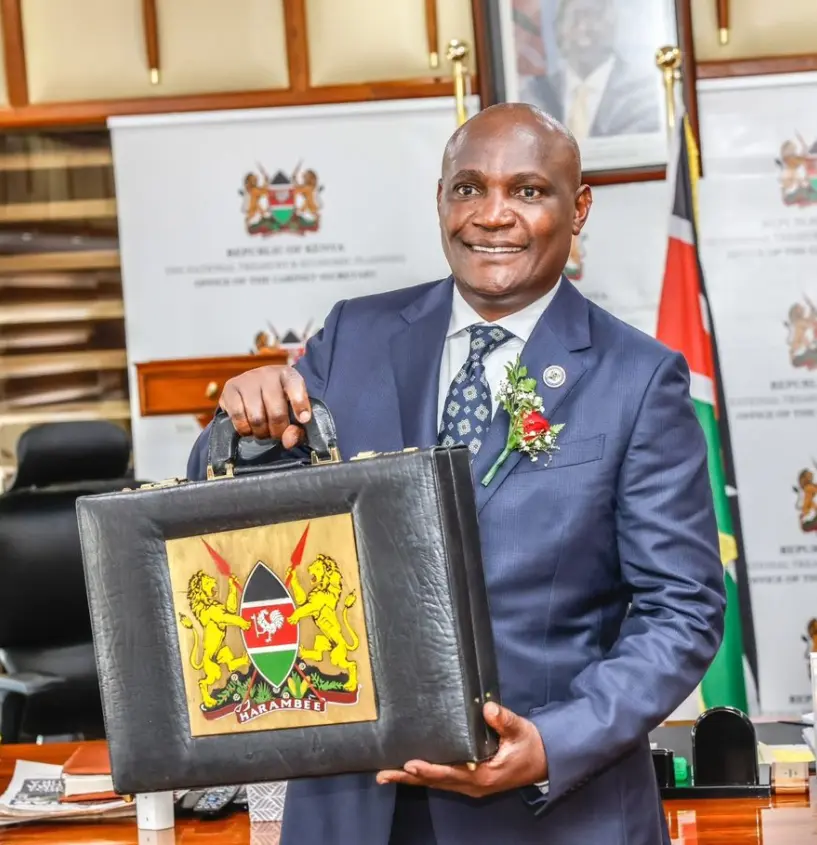
Kenya, the region’s largest economy, proposed a budget of 4.3 trillion Kenyan shillings ($33 billion), reflecting efforts to curb its fiscal deficit and debt levels.
The government has opted against introducing new taxes, instead focusing on expanding the tax base and cutting non-essential expenditure.
The deficit is expected to narrow to 4.5 percent of GDP from 5.1 percent last year, with continued support from the International Monetary Fund.
Uganda followed closely with a 72.4 trillion Ugandan shilling ($20 billion) budget, nearly flat from the previous year.
Authorities in Kampala expect economic growth of at least seven percent during the year, driven by oil production and increased export earnings.
Key allocations target agro-industrialisation, energy, and mineral development, with funding earmarked for the $5 billion East African Crude Oil Pipeline project.
Tanzania announced a draft budget of 57.04 trillion Tanzanian shillings ($22 billion), a 13.4 percent increase over the current year, aiming to fund upcoming general elections and boost the industrial sector.
Domestic revenue will account for over 70 percent of the budget, with the rest financed through loans and grants.
Ethiopia’s cabinet approved a 1.9 trillion birr ($15 billion) budget, marking a 31 percent increase from last year.
The government plans to spend heavily on security, disaster relief, and productivity-enhancing sectors, with growth projected at 8.9 percent.
The budget will be partly financed through continued IMF-backed support.
In Rwanda, the Ministry of Finance presented a 7.03 trillion franc ($5 billion) budget, a 21 percent rise from the previous fiscal year.
The government will prioritise infrastructure development, including a new international airport and investments in agriculture and education.
Combined, the five countries’ budgets total approximately $95 billion, highlighting increased spending across the region to support development while balancing debt and revenue generation
gandae@businessdayafrica.org