Dreams in Ashes: Xenophobia Forces Foreign Entrepreneurs Out of SA
Across South Africa’s townships and cities, thousands of foreign nationals are watching years of work unravel as a renewed wave of xenophobic violence forces them to abandon businesses, homes and livelihoods built over decades.
For many immigrants, South Africa represented a rare opportunity to escape economic hardship and political instability in their home countries.
From corner shops and restaurants to transport companies and wholesale enterprises, migrants established businesses that became an integral part of local economies.
Today, many of those ventures stand looted, burnt or deserted as fear spreads through communities targeted by anti-immigrant attacks.
The violence has triggered an exodus of foreigners from several parts of the country, with some governments stepping in to evacuate citizens who no longer feel safe remaining in Africa’s most industrialised economy.
Many of those leaving are doing so with little more than personal belongings, abandoning investments accumulated over years of sacrifice and hard work.
The latest unrest has once again exposed the fragile position occupied by migrants in South Africa, where foreigners are frequently blamed for problems ranging from unemployment and crime to pressure on public services.
While evidence supporting such claims remains contested, economic frustration has increasingly fuelled hostility against immigrant communities.
South Africa’s economy has struggled for years under the weight of sluggish growth, persistent power shortages and one of the highest unemployment rates in the world.
Young people have been particularly affected, creating fertile ground for politicians and activist groups seeking to channel public anger toward migrants.
Foreign-owned businesses have often found themselves at the centre of these tensions. Their ability to offer goods at competitive prices and maintain extensive distribution networks has sometimes generated resentment among local traders struggling to survive in difficult economic conditions.
The country’s history of xenophobic violence stretches back more than two decades. One of the deadliest outbreaks occurred in 2008, when attacks on foreign nationals left dozens dead and displaced tens of thousands. Similar violence resurfaced in 2015 and again in 2019, prompting diplomatic protests from neighbouring countries and emergency evacuations of affected citizens.
Despite repeated promises by successive governments to address the root causes of xenophobia, the cycle has continued to re-emerge whenever economic pressures intensify.
The current wave of attacks appears to reflect a growing influence of anti-immigration movements that argue foreigners are taking jobs and business opportunities away from South Africans.
Such groups have organised demonstrations and campaigns demanding stricter immigration enforcement, often attracting support in communities grappling with poverty and unemployment.
For regional governments, the violence has become a diplomatic headache. Countries across Southern and West Africa have expressed concern about the safety of their citizens and the loss of businesses that once generated income for families both in South Africa and back home through remittances.
The economic consequences extend beyond individual migrants. Foreign-owned enterprises form part of supply chains serving millions of consumers in townships and informal settlements.
Their closure threatens jobs, reduces competition and risks disrupting trade links that connect South Africa to the broader African continent.
Pretoria has moved to contain the fallout by condemning the attacks and promising stronger protection for foreign nationals. Authorities have also sought to reassure neighbouring countries that South Africa remains committed to its obligations under regional and international agreements.
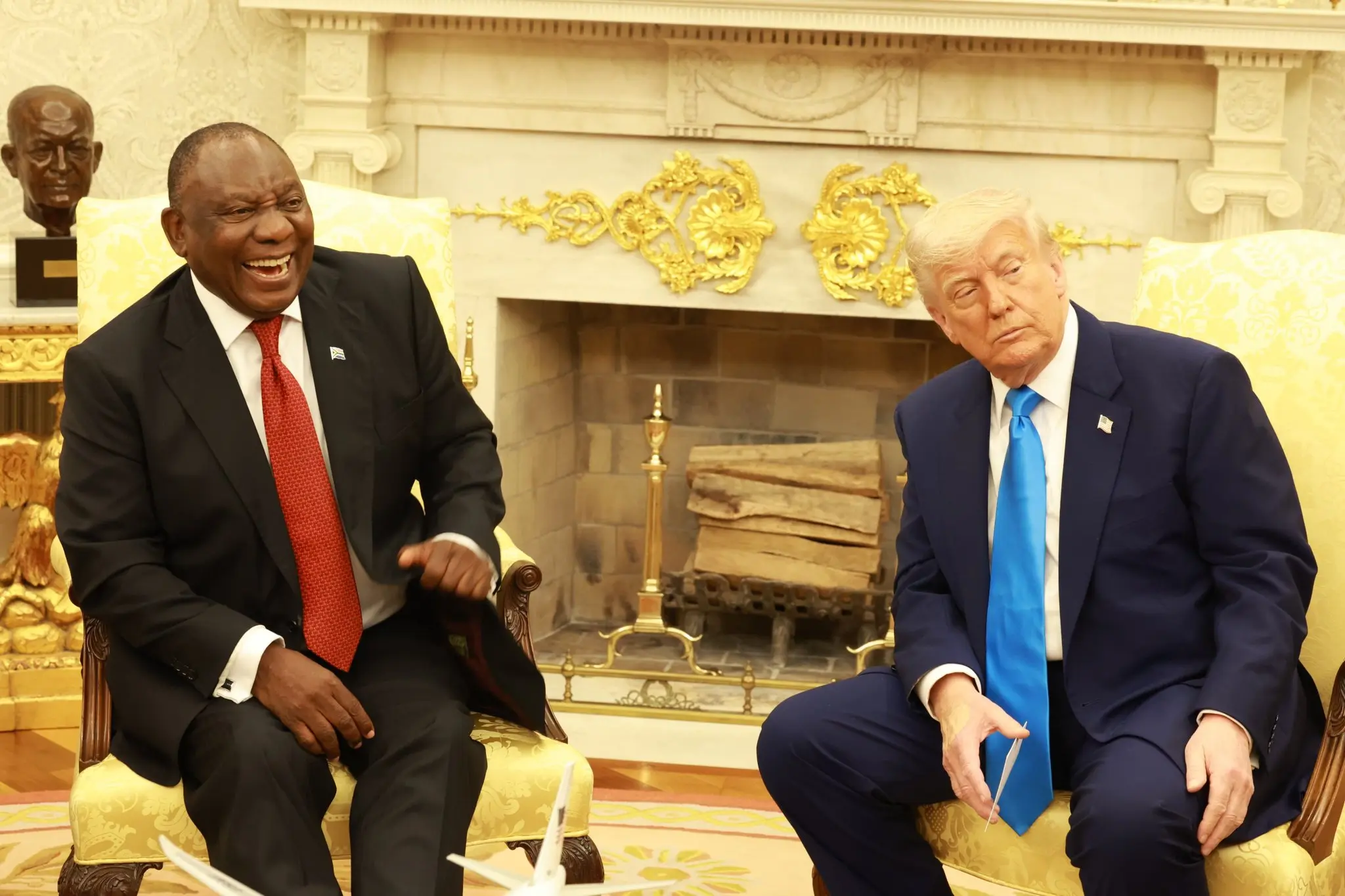
President Cyril Ramaphosa’s administration faces the difficult task of balancing demands for tighter immigration controls with pressure to uphold the rule of law and protect vulnerable communities.
The government has pledged action against vigilante groups while accelerating efforts to improve border management and immigration systems.
Yet restoring confidence may prove difficult. For many migrants who have already decided to leave, the damage has been done. Years of investment have disappeared in a matter of days, forcing entrepreneurs, traders and workers to start over in countries they once left behind.
As buses depart and evacuation lists grow longer, South Africa risks not only losing the businesses and skills brought by immigrants but also further damaging its reputation as a destination for opportunity in a continent increasingly seeking deeper economic integration.
For thousands of foreigners, the promise that drew them to South Africa has given way to a painful reality: the businesses they built survive only as memories, and the future they imagined must now be rebuilt elsewhere.
gandae@businessdayafrica.org