COMESA Watchdog Tightens Grip on Corporate Power to Protect Millions of Consumers

For years, consumers across Eastern and Southern Africa had little recourse when faced with unfair business practices by multinational corporations operating across borders. Whether it was hidden clauses in online shopping contracts, restrictive dealership agreements or airlines denying passengers compensation, individual governments often lacked the legal reach to intervene beyond their borders.
That gap has increasingly been filled by the Common Market for Eastern and Southern Africa’s competition regulator, which has evolved into one of Africa’s most influential consumer protection agencies.
Now operating as the COMESA Competition and Consumer Commission (CCCC) following a recent name change, the regulator has broadened its focus beyond policing anti-competitive conduct to placing consumer welfare at the heart of regional trade.
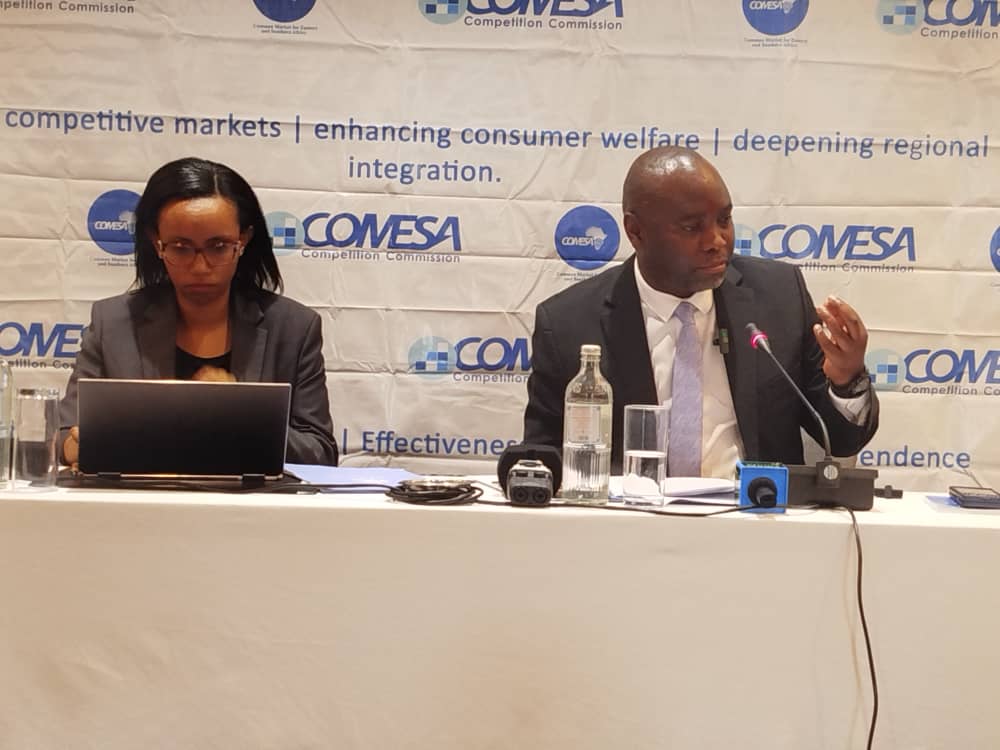
The addition of “Consumer” to its name reflects expanded legal powers under the new Competition and Consumer Protection Regulations, giving the agency greater authority to investigate unfair business conduct, deceptive trade practices and abuse of market dominance across the 21-member trading bloc.
The Commission’s growing influence comes as cross-border trade accelerates under the African Continental Free Trade Area, with multinational corporations increasingly operating across several African jurisdictions.
Unlike national competition authorities whose jurisdiction ends at national borders, the COMESA regulator oversees transactions and business conduct affecting two or more member states, making it a crucial referee in ensuring companies do not exploit consumers or eliminate competition.
One of its most significant interventions has been in the digital economy.
The Commission ordered e-commerce platform Jumia to amend several clauses in its terms and conditions after finding that some provisions unfairly limited the company’s responsibility towards consumers. The regulator argued that online marketplaces cannot simply shield themselves from liability while facilitating transactions between buyers and sellers.
The decision established an important precedent for digital commerce in Africa, where online shopping has expanded rapidly but consumer protection laws have struggled to keep pace.
The watchdog has also become increasingly active in the aviation industry, an area where passenger complaints over cancellations, delays and denied refunds have risen sharply.
In one landmark decision, the Commission fined Ethiopian Airlines after determining that contractual clauses contained in its conditions of carriage unfairly limited passengers’ rights and denied consumers adequate remedies in cases involving delays, cancellations and lost baggage. The airline was directed to amend the offending provisions to align with regional consumer protection standards.
The Commission has similarly investigated several airlines over misleading terms and conditions, refund policies and passenger compensation practices, sending a clear signal that airlines operating within the COMESA region cannot rely on one-sided contracts that disadvantage travellers.
Competition experts say the aviation interventions have helped strengthen consumer confidence in cross-border air travel while encouraging airlines to improve transparency in ticketing, refunds and customer service.
“This is an area that had for long not been touched and passengers were disadvantaged because there was no one to speak for them,” said one of the analysts.
Beyond consumer rights, the Commission has become an important guardian against monopolistic behaviour.

CCCC boss Dr Mwemba
Every year, it reviews dozens of mergers involving multinational corporations seeking to expand across Eastern and Southern Africa. Rather than blocking investment, the regulator evaluates whether mergers could substantially lessen competition, reduce consumer choice or create dominant firms capable of dictating prices.
Its merger reviews have covered sectors including banking, telecommunications, manufacturing, mining, logistics, pharmaceuticals, retail and aviation.
The Commission has not hesitated to impose conditions before approving transactions where competition concerns arise, requiring companies to maintain market access, preserve competition and avoid practices that could disadvantage consumers.
It has also investigated restrictive business agreements that prevent competitors from accessing markets.
Among the cases attracting attention is an ongoing investigation into exclusive distribution arrangements involving Toyota products within the COMESA region. The Commission is examining whether dealership agreements could unfairly restrict competition by preventing independent dealers from accessing markets or consumers from benefiting from greater choice and competitive pricing.
Such investigations reflect the regulator’s growing willingness to scrutinise vertical agreements that may appear commercially legitimate but could ultimately reduce competition.
Over the past decade, the Commission has also dismantled several anti-competitive agreements involving manufacturers and distributors that imposed resale price maintenance, territorial restrictions and exclusive supply arrangements.
By requiring companies to revise or terminate such agreements, the regulator has sought to prevent dominant firms from locking competitors out of regional markets.
Its enforcement work extends beyond investigations.
The Commission has developed regional guidelines on mergers, abuse of dominance and restrictive business practices while working closely with national competition authorities to harmonise enforcement across member states.
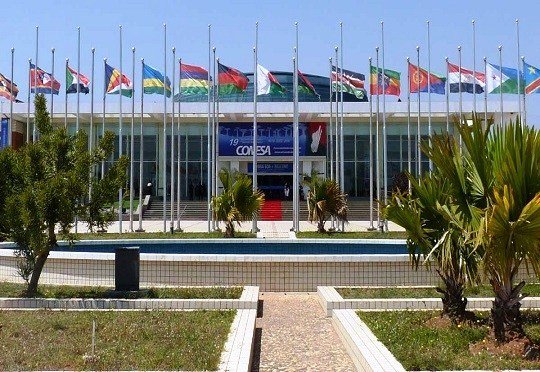
Businesses operating across COMESA are now required to consider regional competition rules alongside national laws when undertaking mergers, acquisitions or strategic partnerships.
The regulator’s achievements over the last decade include reviewing hundreds of mergers worth billions of dollars, investigating abuse of dominance cases, forcing amendments to unfair consumer contracts, eliminating anti-competitive agreements and strengthening consumer rights in both traditional and digital markets.
Analysts say the institution has become increasingly important as multinational companies expand their regional footprint, particularly in sectors where a single company could easily dominate smaller national markets.
“With this watchdog in place and playing it’s role rightfully, the issues of dominance and monopoly is a thing of the past,” said the analyst.
The Commission’s expanded consumer protection mandate signals that its role is no longer confined to protecting competition for its own sake. Instead, it seeks to ensure that regional economic integration delivers tangible benefits through lower prices, better services, greater innovation and wider consumer choice.
As trade within Eastern and Southern Africa continues to deepen, the COMESA Competition and Consumer Commission is positioning itself as one of the continent’s foremost regulators, ensuring that the gains from a larger common market are shared not only by businesses but also by the millions of consumers they serve.
gandae@businessdayafrica.org