Comesa Warns on Unjustified Price Hikes Amid Middle East Conflict

The Common Market for Eastern and Southern Africa (COMESA) competition watchdog has cautioned businesses against exploiting the ongoing Middle East conflict to impose unjustified price increases, as early signs of fuel market distortions emerge in the region.
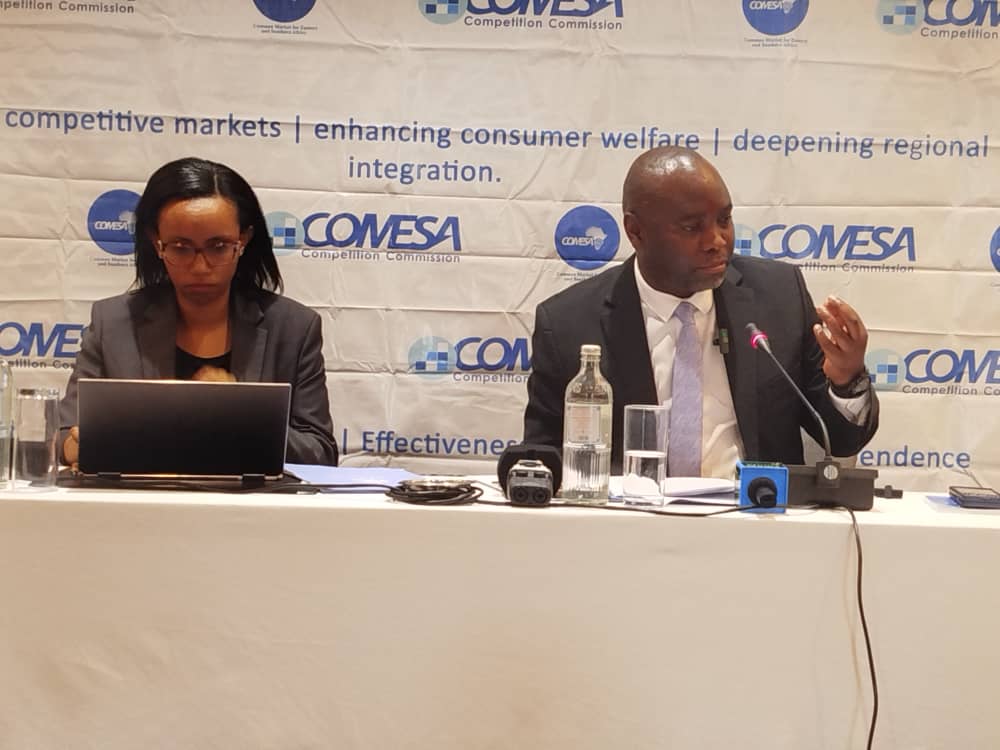
The COMESA Competition and Consumer Commission said it was closely monitoring markets across member states following disruptions linked to the escalating confrontation involving Israel, Iran and the United States, warning that firms found engaging in price gouging, hoarding or collusion would face enforcement action.
The regulator said while the conflict had triggered genuine supply chain pressures — including higher freight costs, insurance premiums and commodity prices — these factors should not be used as a blanket justification for sharp or coordinated price hikes that harm consumers.
The warning comes as global oil markets react to heightened tensions around the Strait of Hormuz, a key shipping lane for crude and liquefied natural gas, raising fears of supply interruptions.
The waterway handles a significant share of the world’s energy exports, making any disruption particularly sensitive for import-dependent economies.
In East Africa, the impact is already being felt. Kenya, which relies entirely on imported petroleum products, has begun experiencing tightening supplies, with independent fuel retailers reporting shortages amid rising global prices and a lag in domestic pump price adjustments.
Industry officials say some marketers have started withholding stocks in anticipation of higher regulated prices, a move that has contributed to sporadic outages at filling stations.
Others have been pushing for an upward review of pump prices, arguing that current caps are no longer reflective of replacement costs.
Lawmakers and sector players have also pointed to speculative buying and stockpiling as demand surges, raising concerns that artificial shortages could worsen the situation.
The COMESA watchdog warned that such practices risk amplifying inflationary pressures at a time when households and businesses are already facing elevated costs of living.
Fuel price increases typically cascade through the economy, affecting transport, food and manufacturing costs.
It said it would work with national competition authorities to investigate suspected abuses and ensure that markets remain competitive and transparent during the crisis.
The Middle East conflict has added a fresh layer of uncertainty to global energy markets, with analysts warning that prolonged disruptions could sustain upward pressure on oil prices.
For many African economies, the challenge will be managing the external shock while preventing opportunistic behaviour at home from deepening the economic strain.
gandae@businessdayafrica.org