Brazil Coffee Woes Lift East Africa Prices
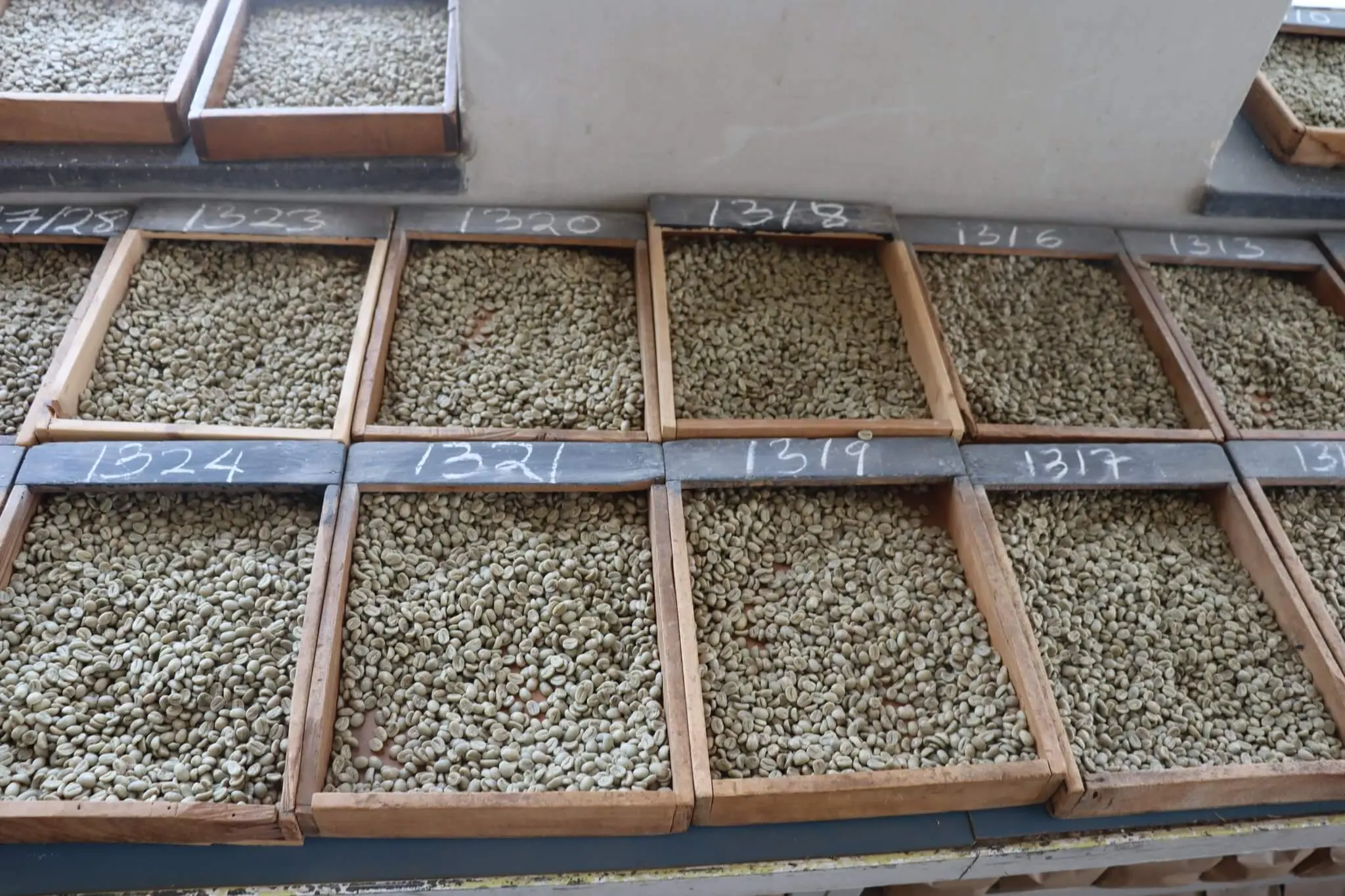
Brazil’s coffee woes continue to support commodity prices in East Africa, where the latest auctions are recording strong earnings.
Drought-induced concerns over global supply have kept prices firm, with traders in Kenya benefiting from a bullish market trend.
Kenya’s coffee prices have remained elevated, with a 50-kilogram bag fetching $339 in the latest auction held this week.
The sustained high prices has been occasioned by the tightening global supply, as adverse weather conditions in major coffee-producing regions, particularly Brazil, continue to impact output.
Arabica prices have surged on fears of reduced supply from Brazil, reaching an all-time high for the futures contract.
Concerns deepened after Brazil’s crop forecasting agency, Conab, projected the country’s 2025/26 coffee crop would decline by 4.4 percent year-on-year to a three-year low of 51.81 million bags.
Weather concerns remain a key driver of coffee prices, with below-average rainfall in Brazil exacerbating fears of further supply shortages. Minas Gerais, the country’s largest arabica-growing region, received just 53 percent of its historical average rainfall last week, prolonging the impact of last year’s El Niño-induced dry spell.
Colombia, the world’s second-largest arabica producer, is also recovering from weather-related production setbacks.
Global supply concerns have fueled fund buying, with traders positioning for potential deficits. Volcafe recently slashed its estimate for Brazil’s 2025/26 arabica crop to 34.4 million bags, down 11 million from its previous projection, citing extensive drought damage, according to barchart.
The firm expects a global arabica deficit of 8.5 million bags in 2025/26, widening from the 5.5-million-bag shortfall in 2024/25, marking the fifth consecutive year of deficits.
Despite some price volatility, coffee markets remain supported by tightening supply fundamentals, with traders in East Africa continuing to reap the benefits of strong demand and global production challenges.
news@businessdayafrica.org