African Debt Payments to China Overtake New Loans, Report Finds
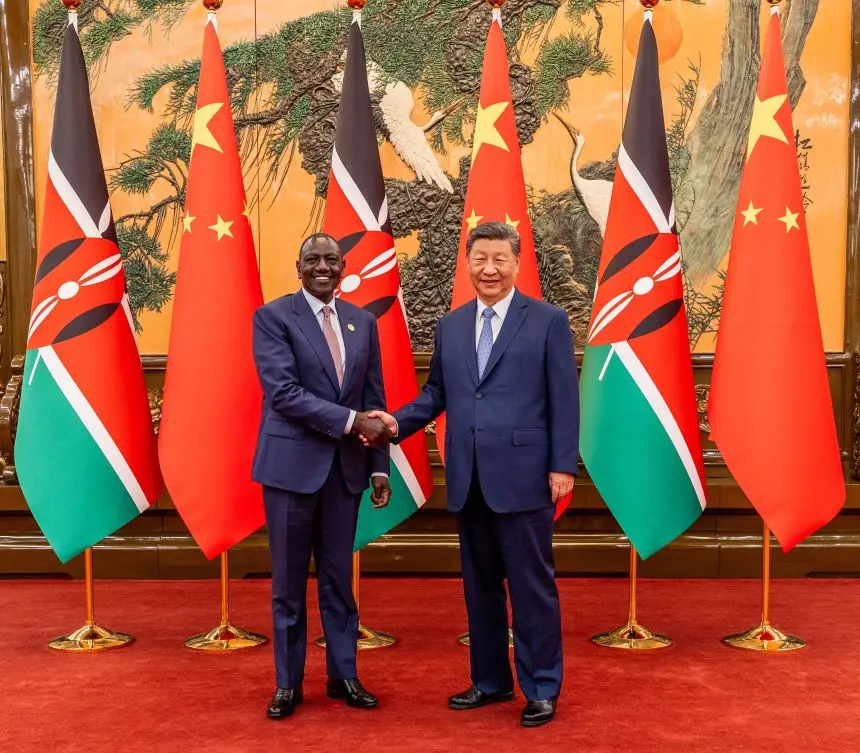
African countries are now paying more to China in debt repayments than they receive in fresh financing, highlighting a major shift in Beijing’s role as the continent’s leading infrastructure lender and adding pressure to already strained public finances.
An inaugural report by the ONE Data initiative said many low- and middle-income countries, particularly in Africa, have moved into a net outflow position as repayments on past Chinese loans exceed new disbursements.
The finding reflects China’s retreat from large, state-backed overseas lending that peaked a decade ago, as well as mounting debt distress in several borrower countries.
Beijing has increasingly shifted toward smaller, commercially focused projects and refinancing arrangements instead of major new sovereign loans.
During the 2000s and 2010s, Chinese banks funded railways, ports, highways and power plants across Africa, filling a financing gap left by Western lenders and multilateral institutions.
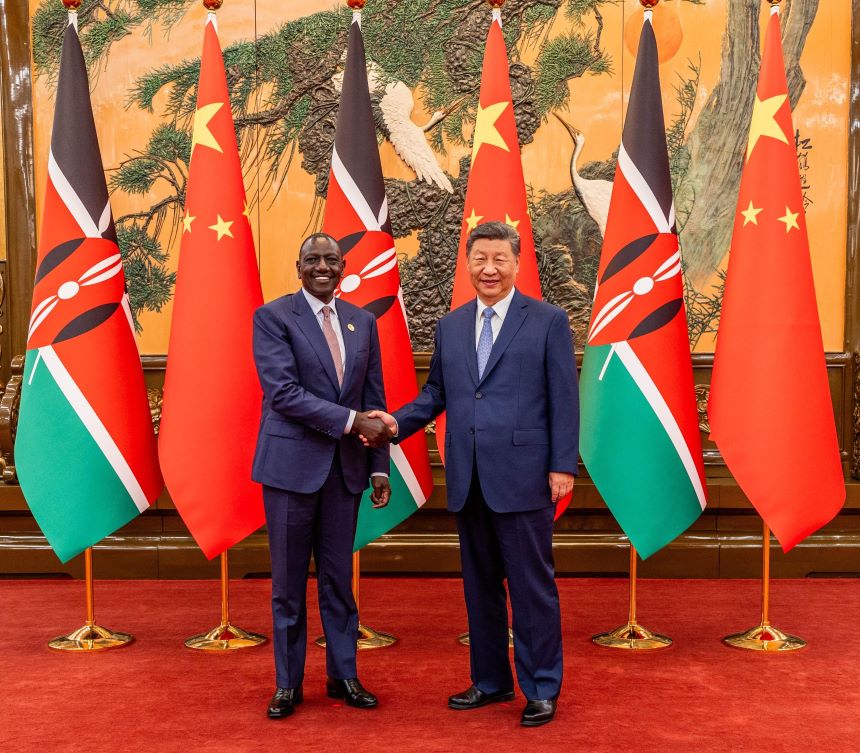
In Kenya, Chinese loans financed the $3.6 billion Standard Gauge Railway linking the port of Mombasa to Nairobi and the Rift Valley, one of East Africa’s largest transport projects. While the railway has boosted passenger travel and cargo movement, it has also become one of the country’s biggest sources of external debt repayments.
Kenya’s Treasury has in recent years set aside tens of billions of shillings annually to service Chinese loans, prompting negotiations with Beijing on restructuring and alternative repayment terms.
Similar dynamics are playing out elsewhere on the continent.
In Ethiopia, Chinese funding backed the Addis Ababa–Djibouti railway, a critical trade corridor for the landlocked country.
Uganda relied on Chinese credit to build the Karuma hydropower plant, while Mozambique used Chinese loans to finance the Maputo–Katembe bridge.
Nigeria, Angola and Zambia also borrowed heavily from Chinese lenders to expand transport and energy networks.
Many of these projects were designed to unlock economic growth, improve regional trade and attract investment.
However, weaker-than-expected revenues, currency depreciation and slower growth have made repayments more costly for governments.
Analysts say rising debt servicing obligations are now limiting fiscal space, forcing some countries to cut development spending or raise taxes to meet external commitments.
According to the ONE Data report, net financial flows from China to low- and middle-income countries have declined sharply since 2019, while scheduled repayments continue to rise.
As a result, several African governments are transferring more funds to Chinese lenders than they receive in new support.
At the same time, multilateral lenders such as the World Bank and the African Development Bank have become the main sources of net external financing, partially offsetting China’s pullback.
China has said it remains committed to supporting African development but has stressed the need for “sustainable” and “high-quality” projects.
It has also participated in debt restructuring talks under international frameworks for countries such as Zambia and Ghana.
African finance officials say the challenge now is to balance infrastructure investment with debt sustainability, as governments seek to revive growth without repeating past borrowing excesses.
“With limited access to affordable credit, countries will need to be more selective about projects and strengthen domestic revenue collection,” said one regional economist.
The report adds that greater transparency in loan agreements and improved project oversight will be critical if Africa is to manage its long-term financing needs while continuing to close infrastructure gaps.
gandae@businessdayafrica.org