Africa Wheat Costs to Rise as Hormuz Disruption Tightens Supply

African countries face rising wheat import bills as disruptions in the Strait of Hormuz curtail global supply chains, pushing up grain and fertiliser costs and threatening to worsen food inflation across the continent.
The Strait of Hormuz, a narrow shipping lane between Iran and Oman, has been disrupted by escalating conflict involving Iran and US-aligned forces, effectively slowing or halting cargo movement through one of the world’s most critical trade routes.
The waterway typically handles a significant share of global energy flows and key agricultural inputs, making it central to food supply chains.
The disruption has driven up shipping and production costs globally, with wheat markets already reacting to tighter logistics and rising input prices in major exporting regions such as Europe and North America.
Africa is particularly exposed, importing up to 75 percent of its wheat requirements.
The reliance on external supply leaves many countries vulnerable to global price swings, with governments now facing the prospect of higher subsidy costs and mounting pressure on food systems.
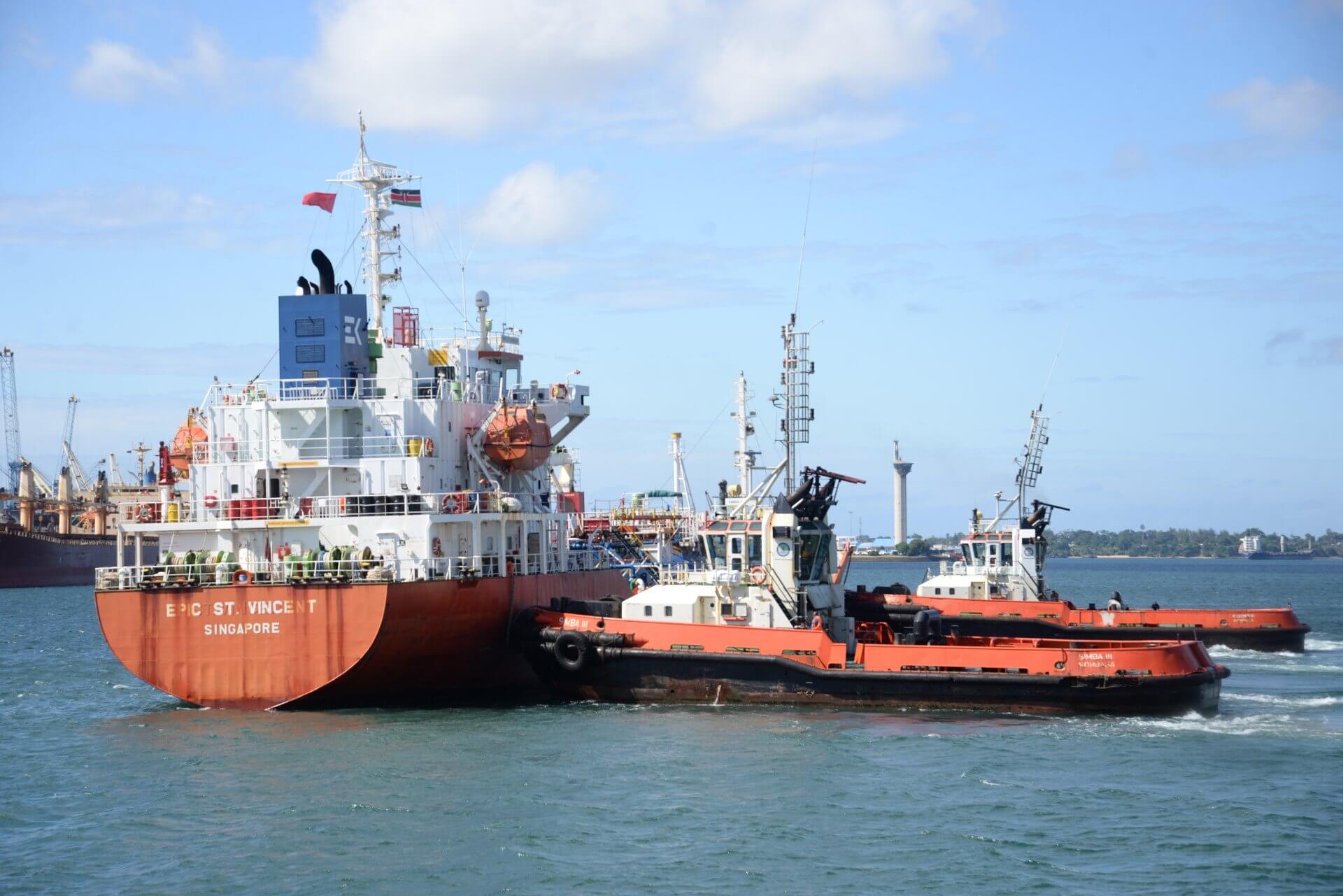
Fertiliser prices have surged in recent weeks, compounding the strain on wheat markets. Urea, a key nitrogen fertiliser, has climbed sharply to about $680 per tonne from just above $500, driven by supply bottlenecks and export disruptions linked to the Gulf region.
The Strait of Hormuz is a critical transit point for fertiliser trade, including ammonia and urea exports.
With shipments delayed and some producers scaling back output, global supplies have tightened, raising costs for farmers in exporting countries.
Higher fertiliser prices are feeding into wheat production costs, with growers in Europe and the United States warning of reduced margins and possible cutbacks in fertiliser use, which could lower yields and further tighten supply in the months ahead.
Energy prices have also risen alongside the disruption, adding to the cost of agricultural production and transportation, and amplifying inflationary pressures on staple foods.
The latest shock highlights the vulnerability of global food systems to geopolitical risks in key maritime chokepoints.
For African economies, the combined impact of higher wheat prices, rising input costs and elevated freight charges is expected to deepen food inflation and strain household budgets if the disruption persists.
gandae@businessdayafrica.org