Africa to Bear Cost of Washington’s Iran War as Fuel Prices Climb
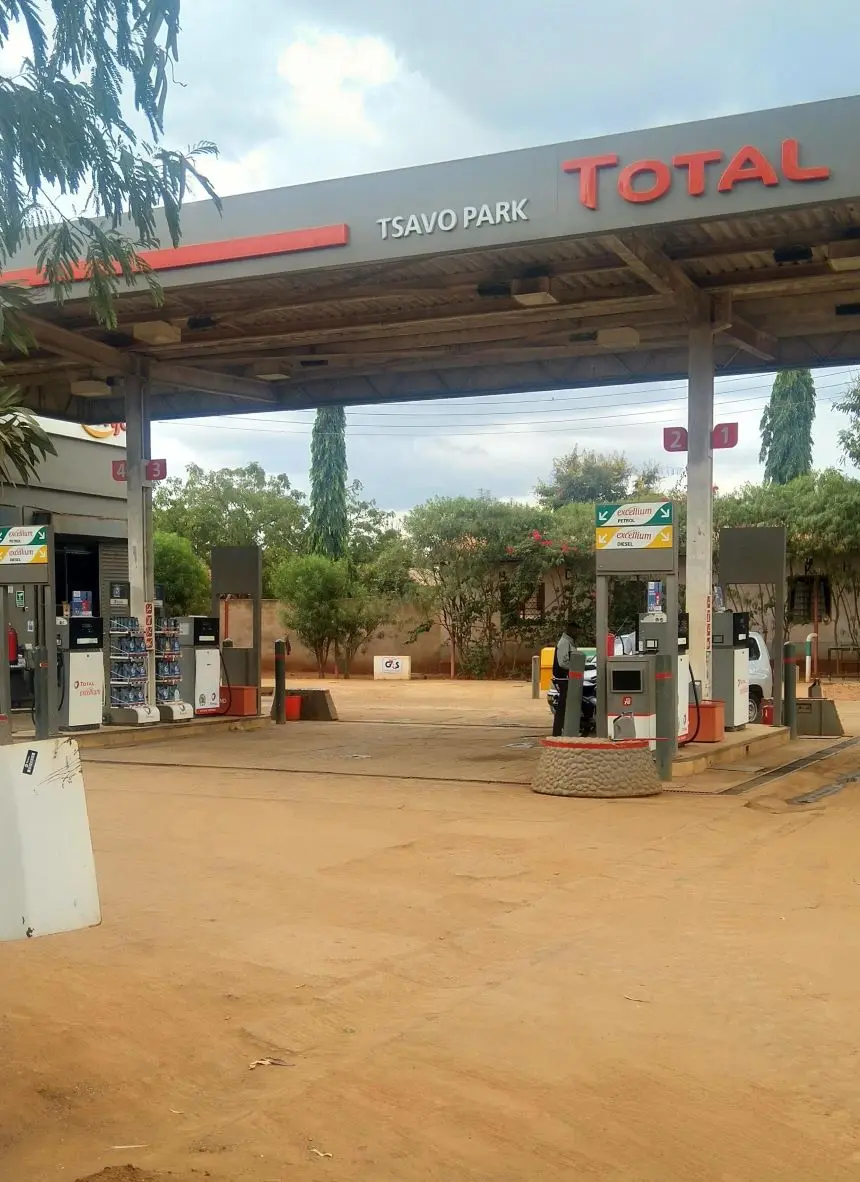
African economies are bracing for renewed inflation pressure after the conflict involving Iran sent global oil prices sharply higher, threatening to raise the cost of fuel imports that underpin transport, food supply and industrial production across the continent.
Brent crude, the international oil benchmark, surged in recent days to above $110 a barrel at the height of market anxiety before easing slightly as traders weighed the risk of prolonged disruptions in the Middle East.
The spike has revived concerns among policymakers that Africa could face another round of imported inflation driven by higher energy costs.
The price swings have been triggered by fears that the conflict could disrupt shipments through the Strait of Hormuz, a strategic chokepoint that handles roughly a fifth of global oil trade.
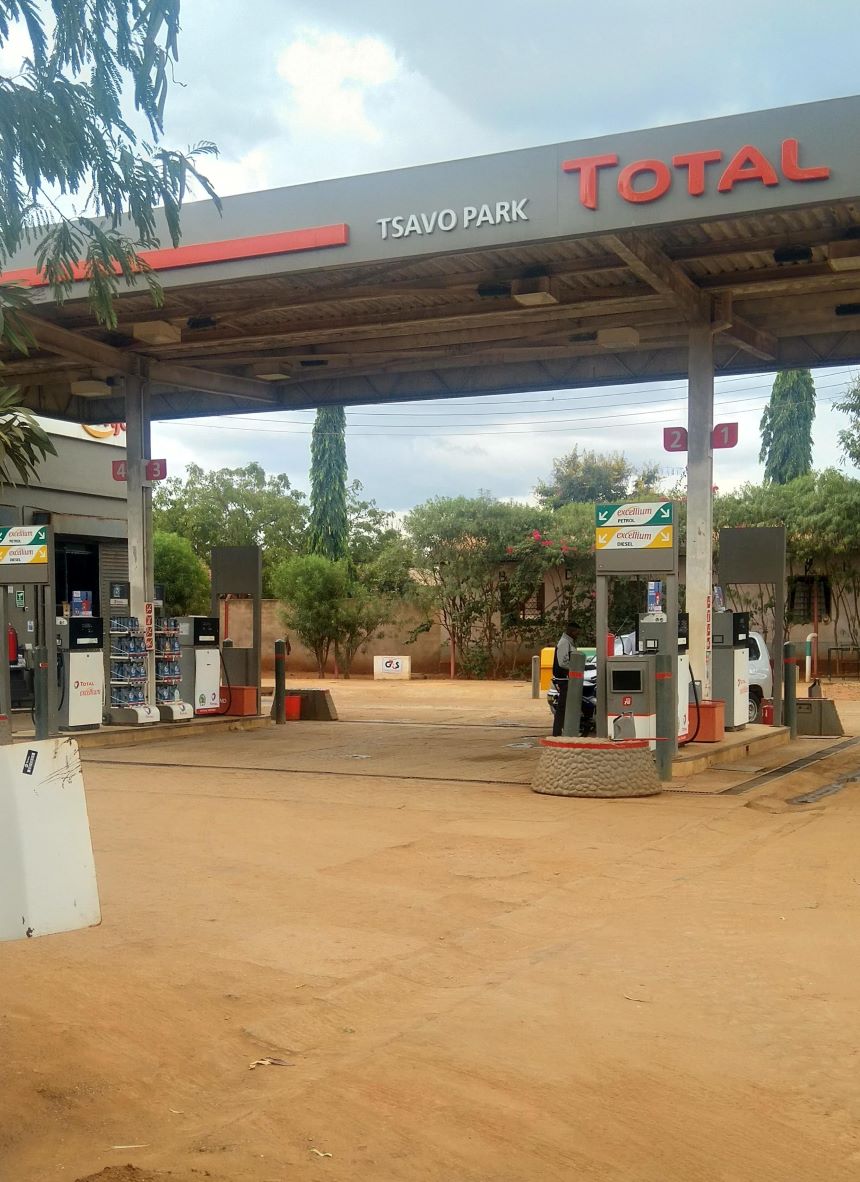
Any sustained disruption to supplies from the Gulf would tighten global markets and keep crude prices elevated.
For Africa, the impact could be immediate.
Most countries on the continent depend heavily on imported petroleum products to meet domestic demand, leaving them exposed to international price shocks. Even oil-producing nations often rely on imports of refined products such as petrol and diesel due to limited refining capacity.
As a result, higher global oil prices typically translate quickly into rising pump prices and swelling fuel import bills.
Energy costs play a central role in shaping inflation trends because fuel is embedded across the economy.
Higher diesel prices increase the cost of transporting goods, including food, from farms to urban markets, while rising petrol prices lift public transport fares and logistics costs.
Manufacturers and power producers also face higher operating expenses when fuel prices climb, creating a ripple effect that pushes up the cost of goods and services across the economy.
Economists say the latest surge in oil prices could therefore complicate the fight against inflation in several African economies that have only recently begun to see price pressures ease after previous global shocks.
Governments may face difficult choices between allowing pump prices to rise or increasing fuel subsidies to shield consumers, a move that could widen fiscal deficits at a time when many countries are already grappling with high debt and tight public finances.
The renewed volatility in oil markets also highlights a long-standing vulnerability for African economies: their reliance on imported energy.
Despite producing crude oil in countries such as Nigeria, Angola and Libya, the continent still imports a large share of its refined fuel due to insufficient refining capacity.
That dependence means geopolitical crises far beyond the continent’s borders can quickly translate into higher living costs for African households.
Unless oil prices retreat soon, analysts say the conflict-driven surge in fuel costs could once again feed into higher transport, food and energy prices — raising the risk of another inflationary cycle across the continent.
gandae@businessdayafrica.org