Africa Starts Feeling the Hit of Iran War
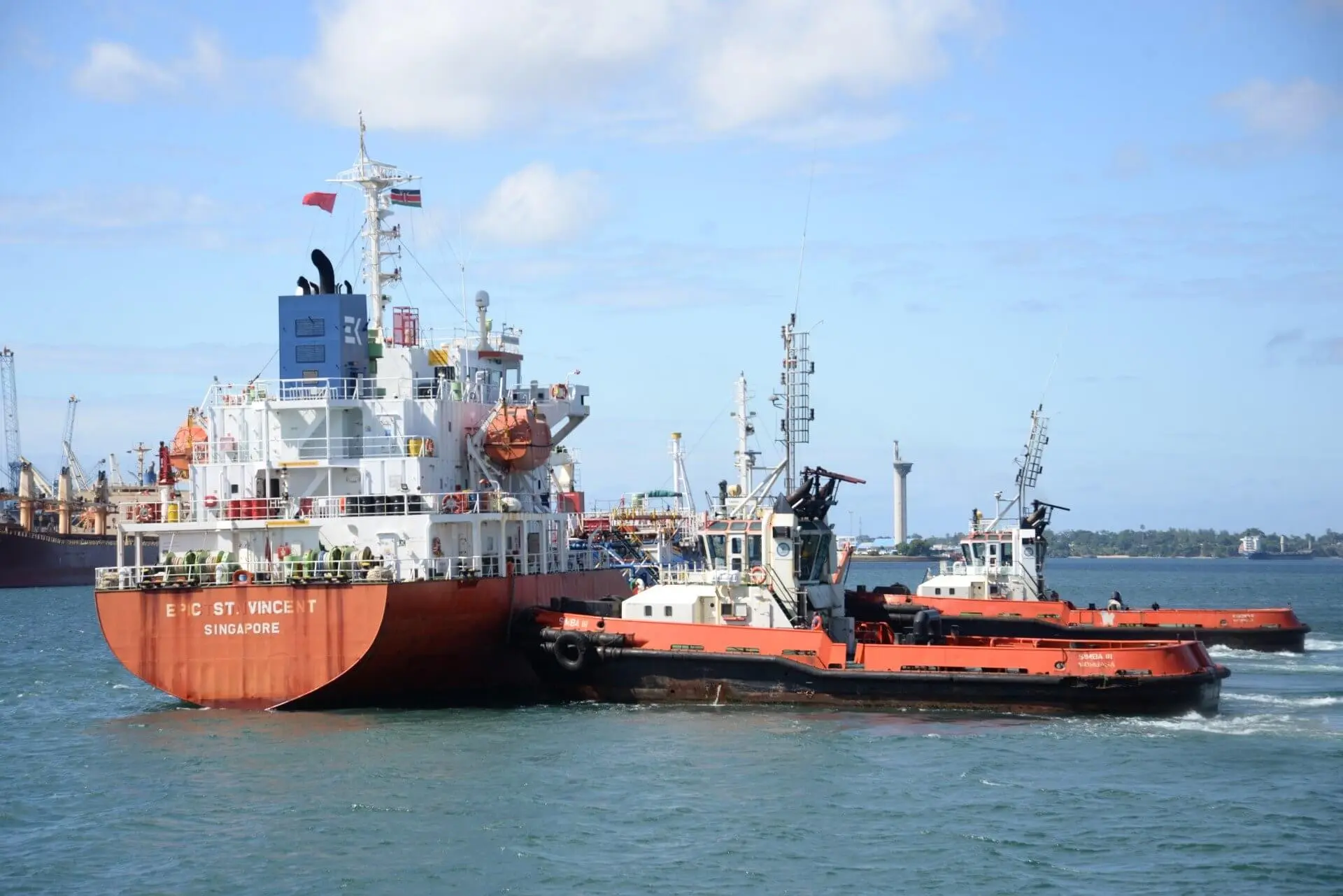
African economies are facing rising inflationary pressure as the ongoing Iran war disrupts global oil and commodity supplies, pushing up fuel and food prices in countries including Kenya, Uganda and Burundi.
The conflict has choked shipments through the Strait of Hormuz, a critical transit route, tightening global supply and driving crude oil prices sharply higher.
The surge is feeding directly into import costs for African nations that rely heavily on foreign fuel and agricultural inputs.
In Kenya, pump prices have climbed to record levels in recent weeks, triggering an increase in transport fares and raising the cost of basic goods.
The knock-on effect is being felt across the economy, with households facing higher food prices as transport and production costs rise.
Neighbouring Uganda is also under strain, with its heavy reliance on imported fuel exposing it to global price swings.
Officials have warned of tightening supplies and rising costs, while businesses report shrinking margins as operating expenses increase.
In Burundi, the impact is more acute due to its landlocked position and dependence on regional supply routes.
Higher fuel prices have pushed up the cost of transporting goods, worsening already high living expenses and increasing pressure on low-income households.
The war, which escalated earlier this year following mounting tensions between Iran and Western powers, has seen attacks on energy infrastructure and threats to shipping lanes.
A US-led naval presence in the Gulf has further restricted movement through the Strait of Hormuz, through which a significant share of the world’s oil passes.
The disruption has also affected fertiliser supplies, raising concerns about future food production and prices.
Many African countries import the bulk of their fertiliser, leaving them vulnerable to global supply shocks.
Economists warn that the surge in energy costs is likely to accelerate inflation across the continent, particularly in fuel-importing economies.
Higher fuel prices typically cascade through transport, manufacturing and agriculture, amplifying the cost of living.
Governments in the region have limited room to cushion consumers due to fiscal constraints, raising the risk of prolonged economic strain. Some have been forced to review subsidies or adjust prices in line with global markets, passing the burden on to consumers.
The broader concern is that a prolonged conflict could deepen the cost-of-living crisis in Africa, where many economies are still recovering from earlier global shocks.
Rising import bills are also expected to widen trade deficits and put pressure on local currencies.
Analysts say the outlook will largely depend on how long the disruption to the Strait of Hormuz persists, with continued constraints likely to keep global energy prices elevated and sustain pressure on African economies.
gandae@businessdayafrica.org