Africa Gains Respite as Iran Reopens Hormuz after US Ceasefire Deal
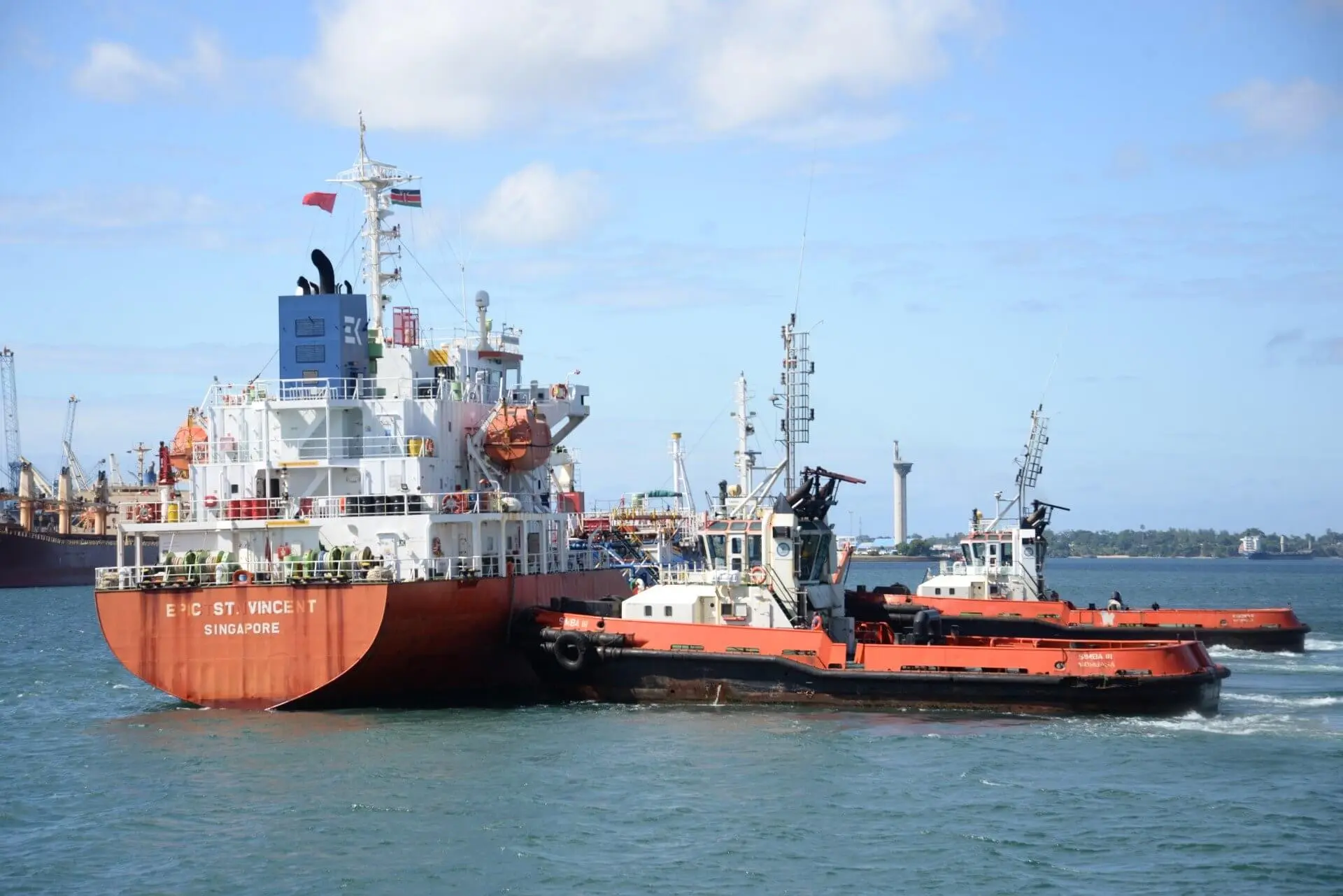
African countries caught in a surge in fuel and food costs have won temporary relief after Iran agreed to a two-week ceasefire with the United States and reopened the Strait of Hormuz, a key artery for global oil shipments.
The move allows tankers to resume passage through the narrow waterway, easing supply disruptions that had rattled energy markets and pushed up import bills for economies heavily reliant on foreign fuel and commodities.
Oil prices fell sharply following the announcement, reversing weeks of gains driven by the conflict. Brent crude, which had climbed above $110 a barrel at the height of tensions and spiked higher in physical markets, dropped to below $100 and hovered in the low-$90s as traders priced in the return of flows.
The recent swings highlight the outsized role of the Strait of Hormuz, which carries about a fifth of the world’s oil supply.
Any disruption to the route quickly feeds into global prices, with knock-on effects for transport, power generation and food costs, particularly in import-dependent regions such as Africa.
The ceasefire follows weeks of escalating hostilities between Washington and Tehran that had brought shipping through the strait to a near standstill.
Iran had warned vessels against transiting the corridor, while the United States increased its military presence in the region.
US President Donald Trump had threatened further action if Iran failed to guarantee safe passage, raising fears of a broader regional conflict that could have deepened supply shortages.
For African economies, the reopening of Hormuz offers a crucial, if temporary, reprieve.
Many countries import the bulk of their petroleum needs alongside key staples such as wheat and fertiliser, leaving them exposed to global price shocks.
Higher fuel costs in recent weeks had already begun feeding into inflation, increasing transport and production expenses and squeezing household budgets.
While the truce has calmed markets for now, uncertainty remains over whether it will hold. Analysts say prices could remain volatile if tensions flare again or if shipping traffic takes time to normalise.
Even so, the partial restoration of flows through Hormuz has eased immediate pressure on African importers, offering a window for governments to manage rising costs as the situation evolves.
gandae@businessdayafrica.org