AfCFTA’s $3.4 Trillion Market Seen as Key to Cutting Africa’s $48 Billion Food Import Bill
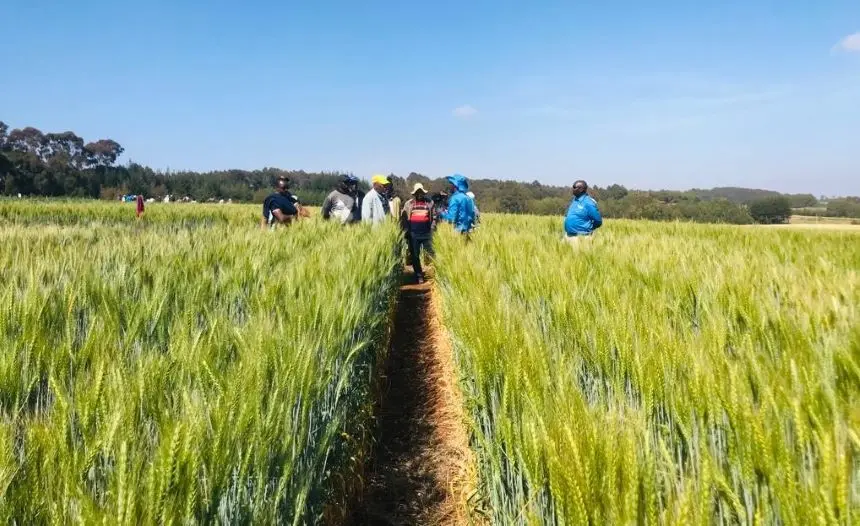
Africa’s $3.4 trillion free trade market could help slash the continent’s $48 billion annual food import bill and boost food security if governments and the private sector scale up investments in agriculture, regional leaders and trade experts said at a grain summit in Zanzibar.
Despite vast fertile land, abundant rainfall and sunshine, Africa remains a net food importer, reflecting years of underproduction, post-harvest losses and weak supply chains, officials said during the 11th African Grain Trade Summit organised by the East African Grain Council.
Komla Bissi, a senior adviser to the African Continental Free Trade Area (AfCFTA) Secretariat, said the continent’s potential to expand food output and intra-African trade remains largely untapped.
“The AfCFTA implementation could increase intra-African maize trade by up to 40 percent by 2030,” he said, citing findings by the International Food Policy Research Institute.
Bissi said consistent implementation of the AfCFTA would create a vast internal market for agricultural products, reducing dependence on imports and strengthening south-south trade.
But he warned that huge post-harvest losses — currently estimated at 49 million tonnes of grains valued at $7 billion annually — were eroding gains in food production.
Africa produces about 173 million tonnes of maize, wheat and rice yearly but still imports heavily to bridge consumption gaps.
Maize output is 88 million tonnes, yet 15 million tonnes are imported, with losses of up to 30 million tonnes due to inefficiencies.
Wheat imports stand at 52 million tonnes against local output of 29 million tonnes, while rice production of 30 million tonnes faces over 20 percent post-harvest losses.
Beatrice Askul, Kenya’s Cabinet Secretary for EAC and Regional Development and chair of the EAC Council of Ministers, urged the AfCFTA Secretariat to prioritise grain trade in its agenda.
“Africa cannot secure its future without securing food for its people, and grain markets are central to this vision,” she said.
Tanzania’s Agriculture Permanent Secretary Gerald Mweli said Dar es Salaam has upgraded grain-handling facilities at its seaports to enhance trade efficiency under the AfCFTA.
“Predictable policies and improved infrastructure are key to attracting investment in agriculture,” he said.
Delegates at the summit called for harmonised trade policies across regional blocs and alignment with the AfCFTA, the Malabo Declaration and Agenda 2063 to advance a unified approach to transforming Africa’s food systems.
gandae@businessdayafrica.org